
News and patient information
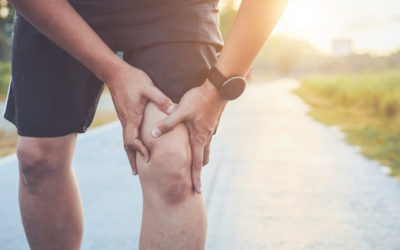
Persistent Pain Management & Knee Replacements
Living With Persistent Pain and How Physiotherapy Can Help Knee replacement surgery can be life-changing for people with severe knee osteoarthritis, relieving pain and improving mobility when other treatments have not been effective. However, for some Australians,...
Winter Wellness: Managing Arthritis and Joint Pain in Winter – A Physio’s Guide
When winter arrives, people living with arthritis may notice their joints feel stiffer, sorer, or harder to get moving. If that sounds familiar, you’re not imagining it. While research hasn’t identified a single direct cause linking cold weather to arthritis flares,...

Heart Health & Exercising Safely
It is widely recognised that exercise is beneficial for overall health - particularly for the cardiovascular system. However, many people are uncertain about how to exercise safely after experiencing a heart condition. In most cases, appropriately prescribed exercise...

Move your body, heal your mind: How exercise can help anxiety & depression
We have all heard the advice to “walk it off” when feeling stressed. For decades this was vague lifestyle advice. But science has fundamentally changed this picture — exercise isn’t just a side dish in mental healthcare; it is the main course. Research now confirms...

Understanding Lower Back Pain – And How Physiotherapists Can Help
Lower back pain is one of the most prevalent health complaints worldwide. It is estimated that up to 80% of people will experience lower back pain at some point in their lives, making it the leading cause of disability globally (Hartvigsen et al., 2018). While lower...

Staying Strong as Footy Seasons Kick Off
As we move into late summer and early autumn, many athletes are shifting gears toward pre-season training for AFL and NRL. This is a phase where training volume, speed work, and (for contact sports) tackling gradually increase. From a physio’s perspective, this period...

The Power of a Post-Meal Walk: A Simple Way to Regulate Blood Sugar and Aid Weight Loss
Walking after a meal is a simple yet effective practice that can significantly improve your health. One of its most notable benefits is its ability to help regulate blood sugar levels. When we eat, our blood sugar rises as the body absorbs glucose from food. However,...

Life After Injury: How Physiotherapy Can Make You Resilient
Let’s paint a picture: Recovering from your injury was both physically and emotionally challenging, but through strong perseverance you’ve accomplished your goals and returned to life before this whole debacle. As you leave the physiotherapist after the final...
Menopause and Bone Health: The importance of exercise for menopausal women – it’s never too late to start!
As we all know, Menopause is a natural process that is defined by the cessation of a menstrual cycle, resulting in the reduction of certain female hormones including oestrogen. Oestrogen plays an important role in maintaining a female's reproductive system; however,...